
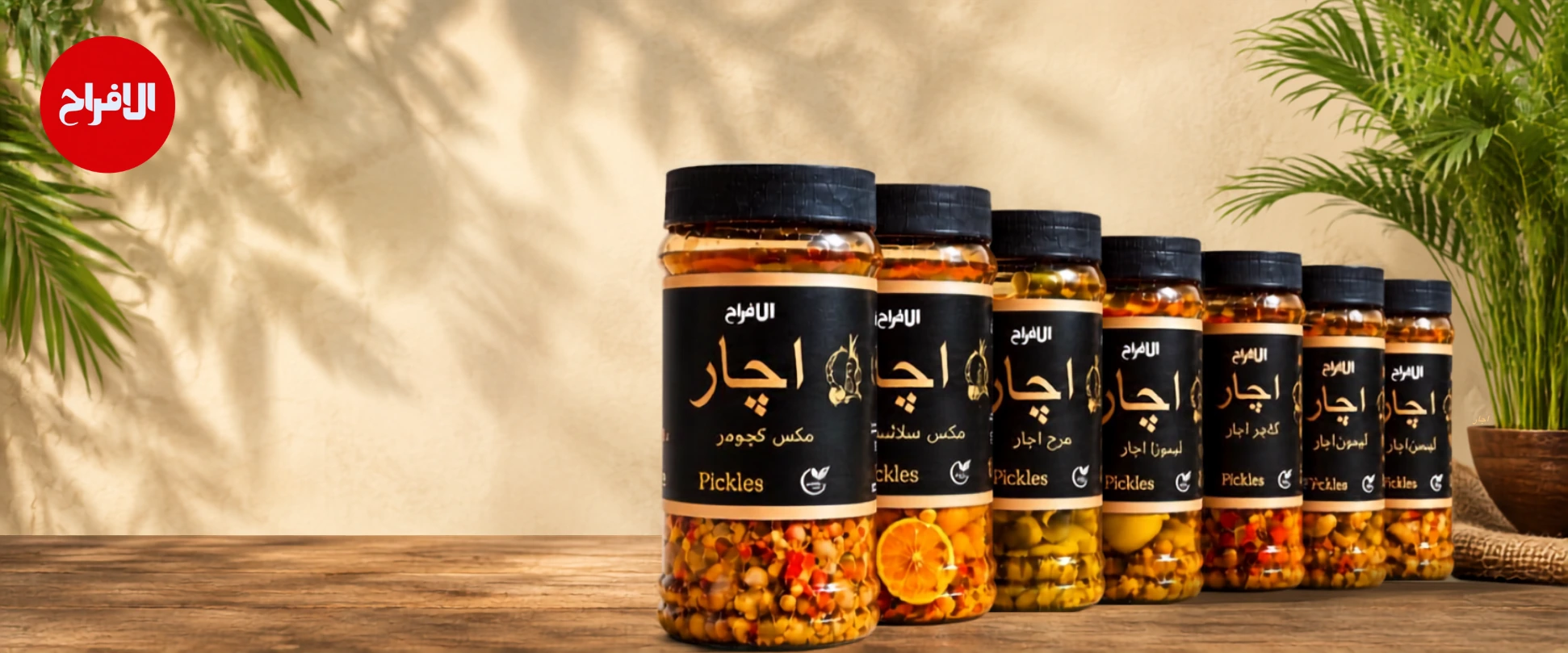
What Is Oil-Based Achar? A Complete Guide to Traditional Pakistani Pickles
Quick answer: Oil-based achar is a traditional South Asian pickle where fruits or vegetables are washed, dried completely, mixed with salt and whole spices and kept fully covered in oil – usually mustard oil – instead of vinegar. Drying and salt remove moisture, and the oil layer keeps air out, so the achar keeps for a long time at room temperature.
What does “achar” mean?
Achar (اچار) is the Urdu word for pickle. In Pakistani homes it means more than a side dish – it is the spoonful of tangy, spicy flavour that sits next to daal chawal, paratha or biryani at almost every meal. Most households grew up with a jar of ghar ka achar (homemade achar) that a mother or grandmother made once a season and the whole family enjoyed for months.
In English, achar is usually called pickle, but a Pakistani oil achar is very different from the sour, vinegar pickles you find in Western supermarkets.
Oil-based achar vs vinegar pickle: what’s the difference?
| Oil-based achar | Vinegar pickle | |
|---|---|---|
| How it keeps | Drying, salt and a sealing layer of oil | Acidity of vinegar |
| Taste | Deep, spicy, rich, matures over time | Sharp and sour |
| Texture | Pieces soften slowly and absorb the masala | Stays crisp, often watery |
| Typical oil / liquid | Mustard oil | Vinegar and water |
| Storage | Room temperature | Often refrigerated after opening |
How does oil keep achar fresh?
Traditional oil achar is a natural way of preserving food that families used long before fridges:
- Washed and dried fully. After washing, every piece is dried completely – water is the main thing that spoils achar.
- Salt draws out moisture. The cut pieces are mixed with salt, which pulls out the remaining moisture and adds flavour.
- Spices add flavour. Whole and roasted spices like saunf (fennel), methi (fenugreek), kalonji (nigella) and rai (mustard seed) are mixed in.
- Oil seals everything. The pieces are packed into jars and fully covered in oil. As long as every piece stays under the oil, air cannot reach it.
Why is mustard oil the traditional choice?
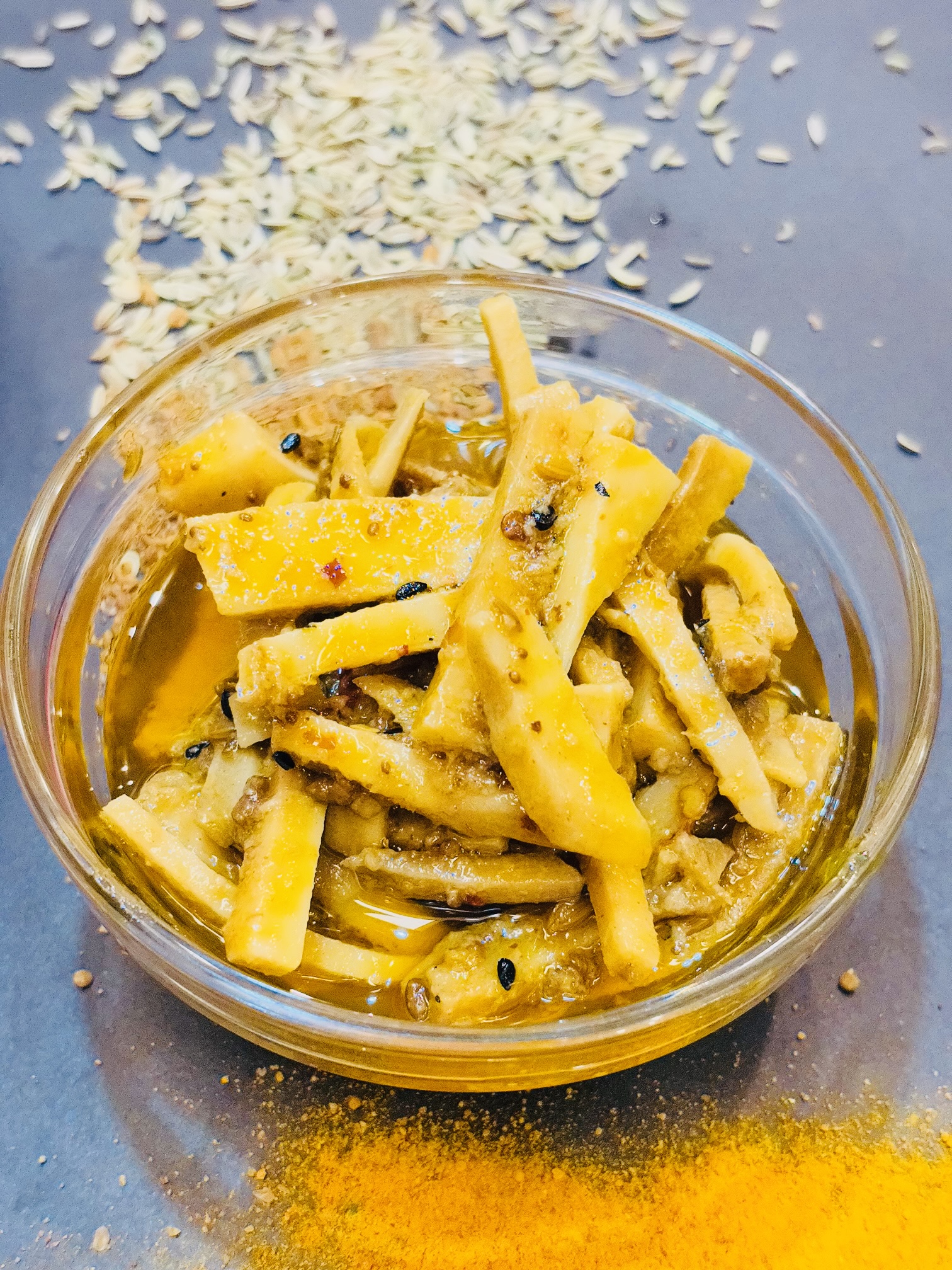
In Punjab, achar has always been made in sarson ka tel (mustard oil). Its sharp, pungent flavour is part of what makes Punjabi achar taste the way people remember it. Mustard oil also holds the masala well, so the spices soak deep into each piece as the achar matures. Lighter cooking oils give a milder, flatter taste.
Popular oil-based achars in Pakistan
- Mango achar (aam ka achar) – raw green mango pieces with methi, saunf and kalonji; the most loved achar in Pakistan.
- Mixed achar – chopped / crushed – small chunks of mango, lemon, carrot and green chilli, easy to eat with rice.
- Mixed achar – sliced – large pieces of mango, lemon, carrot, chilli, chana, lasoora and sohanjna.
- Lemon achar (nimbu ka achar) – whole lemons with soft, matured peel.
- Garlic achar (lehsun ka achar) – whole desi garlic cloves that turn from yellow to a darker shade as they mature.
- Green chilli achar (hari mirch ka achar) – hand-slit chillies stuffed with rai and methi.
- Lasoora achar – a rare seasonal Punjabi favourite with a soft, tangy bite.
- Sohanjna achar (moringa root) – thin root strips with a sharp, radish-like taste.
- Gajar ka achar (carrot) – a crunchy winter achar made only in carrot season.
How traditional oil achar is made – 5 steps
- Wash fresh, firm fruit or vegetables.
- Dry fully after washing, so no water is left on any piece.
- Cut, salt and add spices – roasted saunf, methi, kalonji, rai, red chilli and haldi.
- Pack and cover in oil so every piece is fully under mustard oil.
- Let it mature – the achar rests for days to weeks until the pieces soften and the flavours blend.
How to store oil-based achar
- Keep the pieces under the oil. If the oil level drops, the top pieces can spoil – press them down or top up with oil.
- Always use a dry, clean spoon. Water or a wet spoon is the main reason achar goes bad.
- Close the lid tightly after every use.
- Room temperature is fine – no fridge needed. Keep the jar on the dining table, in a cupboard or anywhere with a moderate temperature.
- Avoid very hot places. A hot kitchen, especially in summer, can change the taste and smell of achar. Keep it away from the stove and direct sunlight.
How long does oil-based achar last?
Achar that is fully covered in pure mustard oil and kept at room temperature lasts a very long time. AL-Afraah achar stays good for 2 years and more when the pieces stay under the oil and you use a dry spoon.
How AL-Afraah makes its oil-based achar
At AL-Afraah, we have been making achar the traditional way in Gujrat since 2017, using family recipes. Every jar is made in pure mustard oil, with no vinegar and no chemical preservatives – just fresh produce, salt, roasted spices and time to mature. We deliver all over Pakistan with Cash on Delivery.
Taste traditional achar made in pure mustard oil – no vinegar, no chemical preservatives.
Frequently asked questions
Is oil-based achar better than vinegar achar?
It depends on taste. Oil achar has a deeper, spicier flavour that develops over time, while vinegar pickle is sharper and more sour. Most Pakistani families prefer oil achar because it is the traditional ghar ka achar taste.
Which oil is best for achar?
Mustard oil (sarson ka tel) is the traditional and most popular choice in Pakistan because of its strong flavour and the way it holds the masala.
Why is there so much oil in achar?
The oil is what keeps the achar fresh. Every piece must stay under the oil so air cannot reach it – that is why a good jar always has a layer of oil on top.
Can I reuse leftover achar oil?
Yes. The leftover masala oil is full of flavour – many people use it for tadka in daal, in achari chicken or aloo, or to fry eggs and paratha.
Does achar need to be kept in the fridge?
No. Oil-based achar is fine at room temperature. Just keep it away from very hot places like the stove, and always use a dry spoon.